
Yoga for Stress Management: Why Different Styles Regulate the Nervous System Differently Stress is no longer an occasional event. For many people, it has become a baseline.
We live in a culture that rewards busyness. The nervous system rarely gets a full stop. Even when the body sits still, the mind continues.
This is why yoga for stress management is not simply stretching — it is nervous system education.
And importantly, not all yoga reduces stress in the same way. What Happens in the Body During Stress?
When you experience stress, the sympathetic nervous system activates — commonly known as “fight or flight.”
You may notice:
- Elevated heart rate
- Shallow breathing
- Muscle tension
- Heightened cortisol (stress hormone)
- Difficulty sleeping
Short-term stress is adaptive. Chronic stress is exhausting. Effective stress management techniques do not eliminate stress they increase capacity. Yoga works because it addresses:
- Body
- Breath
- Attention
Simultaneously.
How Yoga Reduces Stress (Science & Experience)
Research shows consistent yoga practice can:
- Reduce cortisol levels
- Improve heart rate variability
- Activate the parasympathetic nervous system
- Improve sleep quality
- Reduce symptoms of anxiety
But beyond data, something else happens. You begin to recognise when your system is dysregulated and how to return. That is real regulation. Why Different Yoga Styles Support Stress Relief in Different Ways.
This is often overlooked. Many blogs speak about “yoga for stress relief” as though it is one thing. It is not. At Sthira Yoga Academy, I offer different styles intentionally because different nervous systems need different pathways.
Flow Yoga – Move the Energy First
An upbeat flow class with music and steady rhythm can be incredibly effective for stress relief.
Dynamic movement:
- Releases muscular bracing
- Increases circulation
- Produces endorphins
- Shifts emotional stagnation
Sometimes stress is not calmed by stillness — it is resolved through movement.
Explore our: Flow Yoga
Kriya & Breath-Led Practice – Interrupt the Pattern
A powerful kriya class combines:
- Pranayama (breathwork)
- Mantra
- Mudra
- Structured movement
This is not passive relaxation. It disrupts habitual neurological loops. It can feel intense, clarifying, reorganising. For those seeking deeper yoga and anxiety relief, breath-led practice can reset processing patterns.
Learn more about : Kriya Yoga
Gentle & Slow Yoga – Down-Regulate and Repair
Slow and gentle yoga offers something different:
- Longer holds
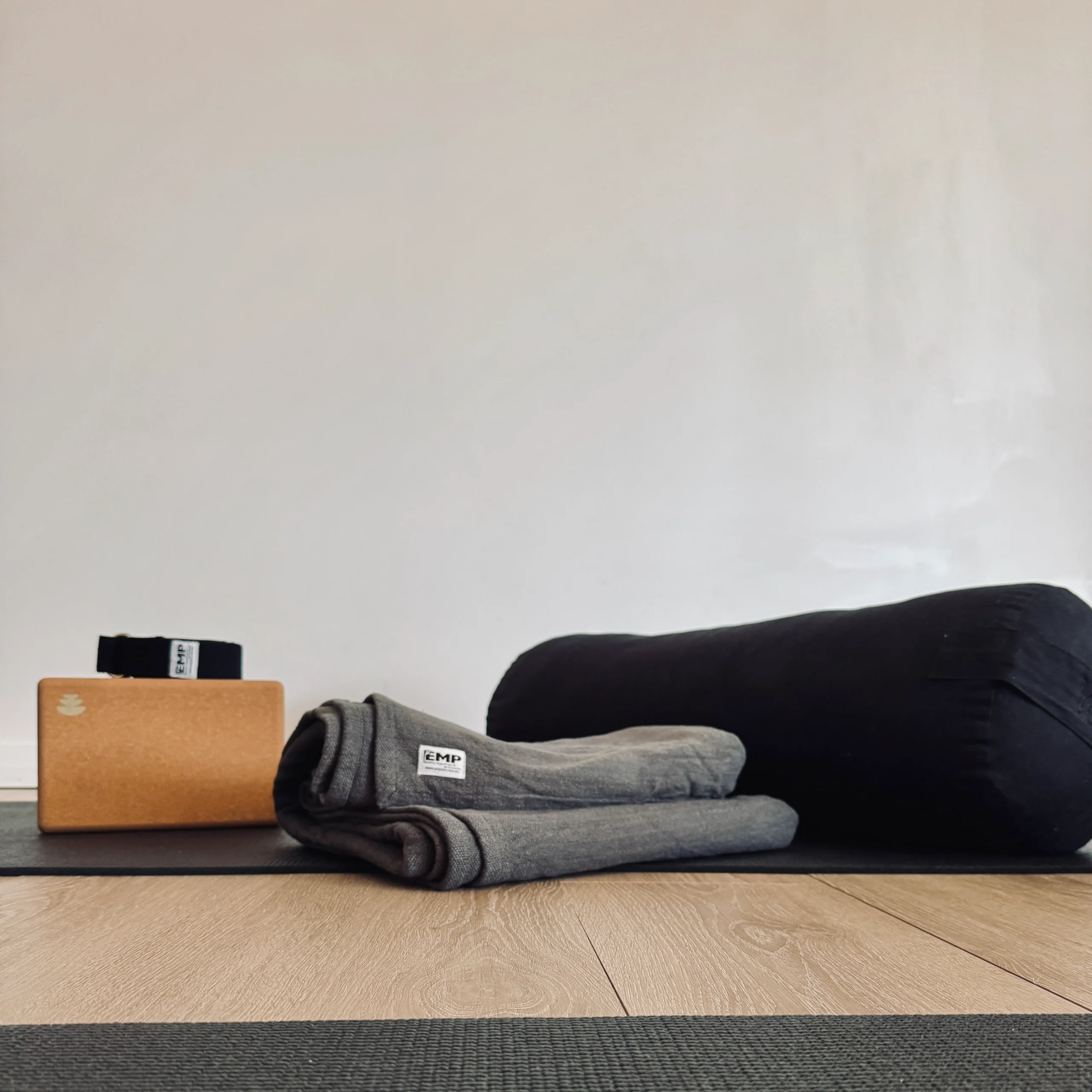
- Supported shapes
- Reduced stimulation
- Emphasis on extended exhale
This activates the parasympathetic nervous system and encourages safety. Gentle yoga does not collapse the body — it retools it.
Discover my classes here: Gentle & Slow Yoga
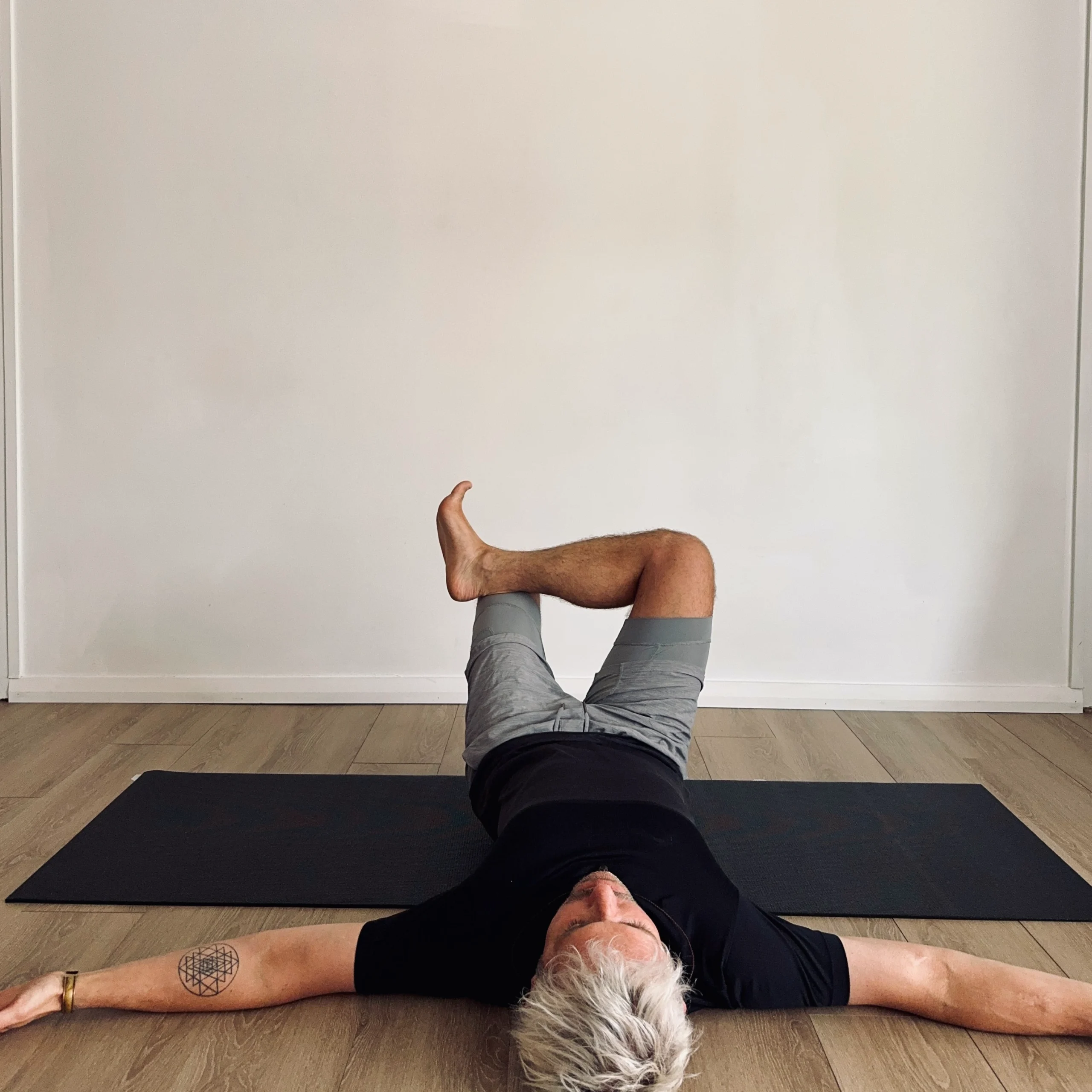
Best Yoga Poses for Stress Relief
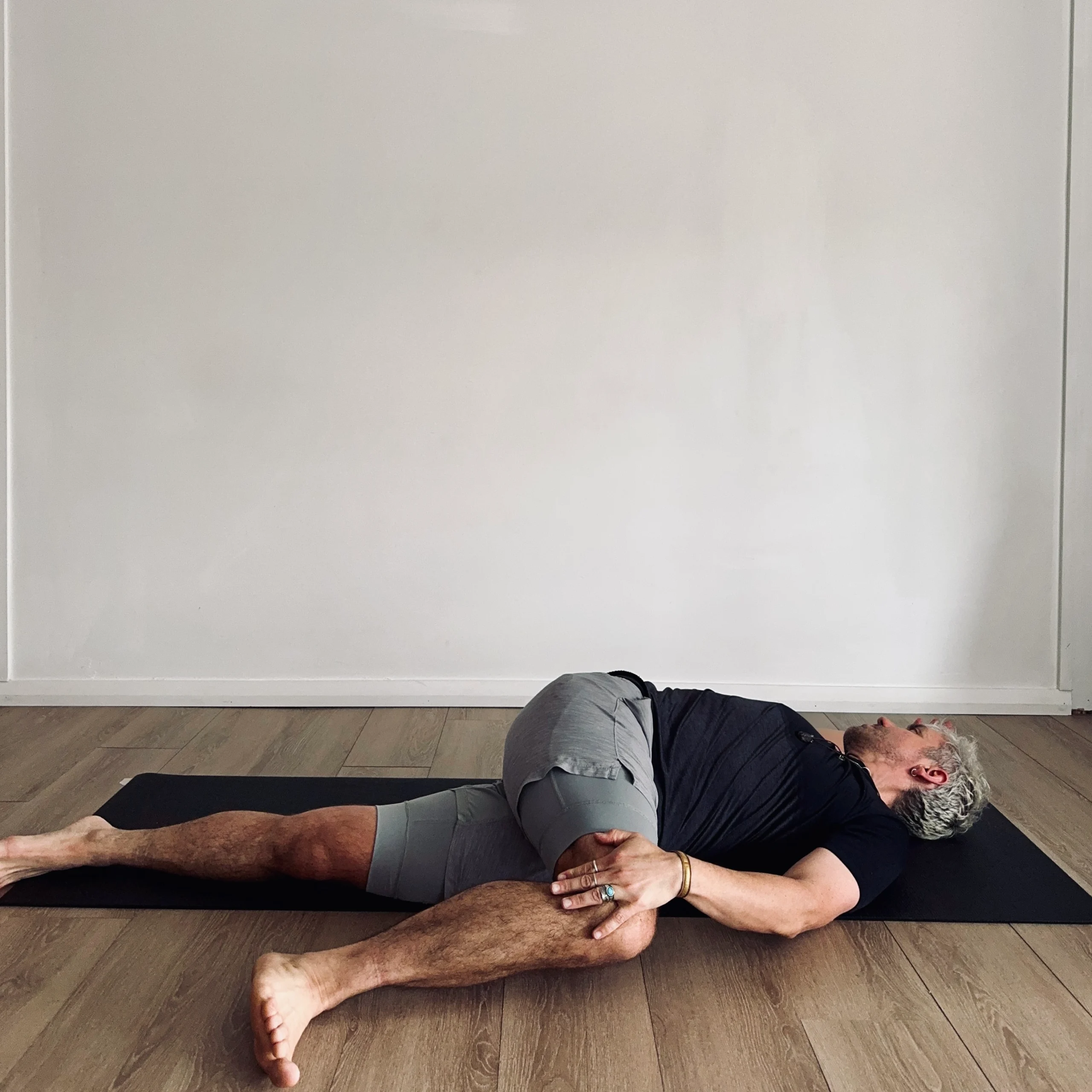
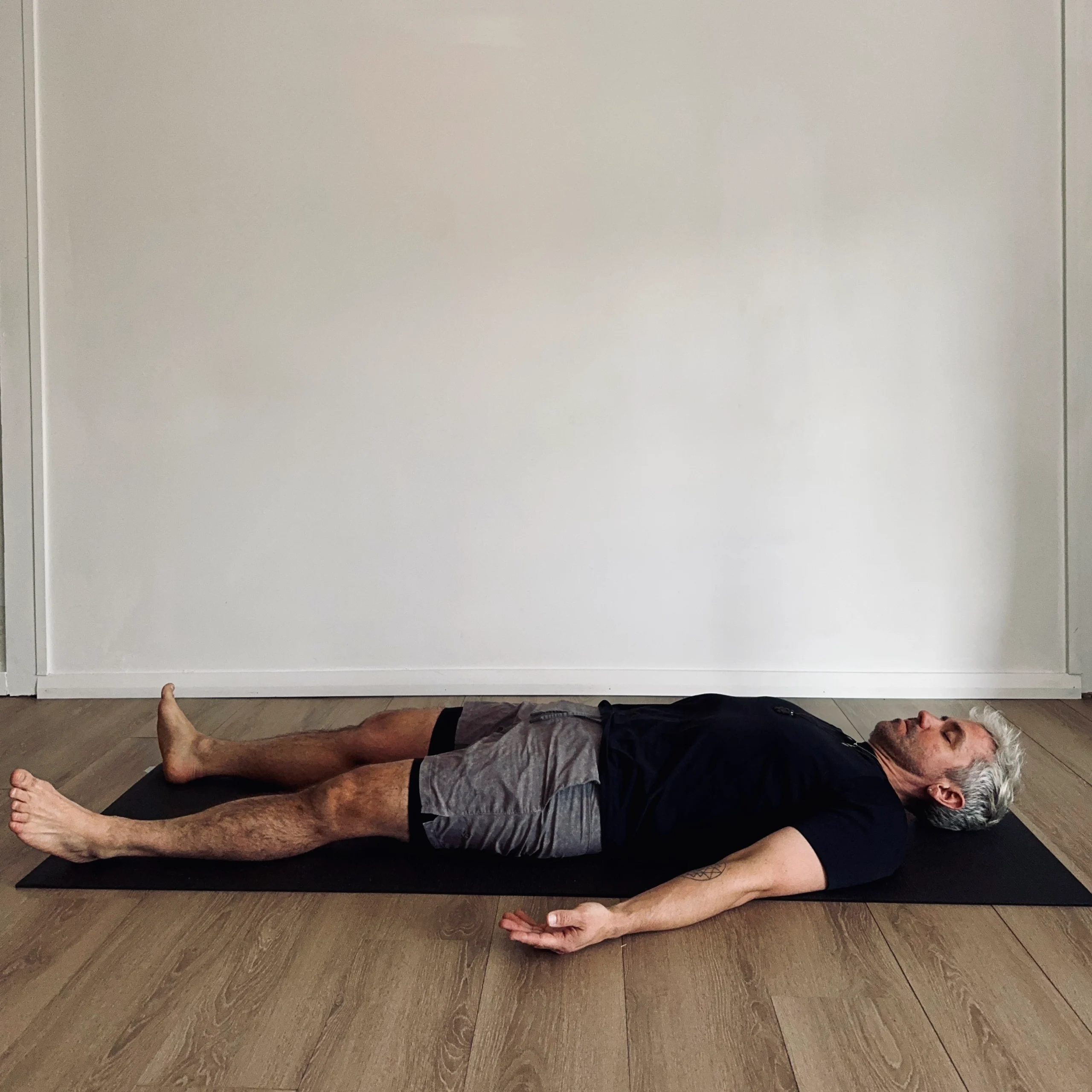
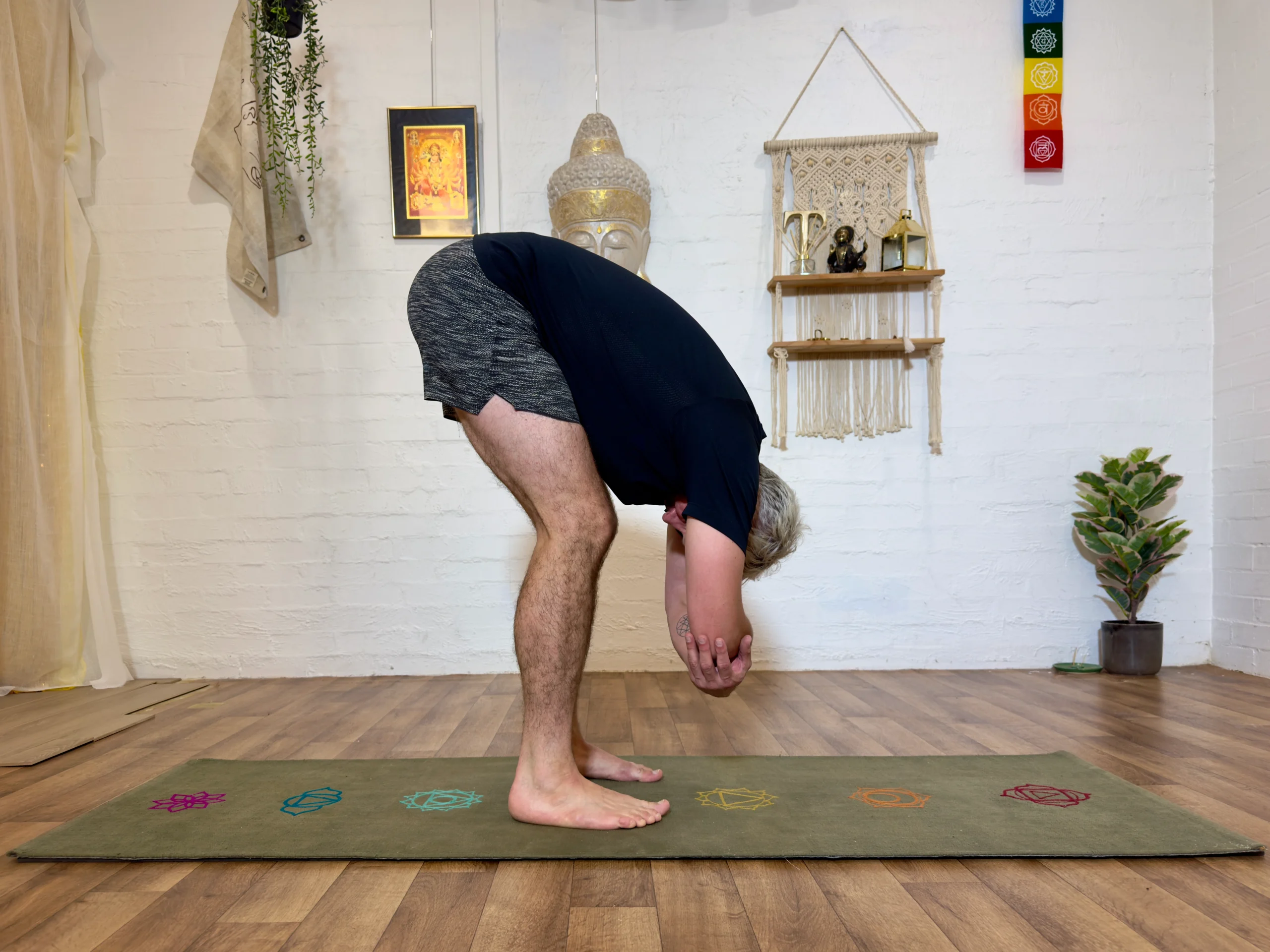
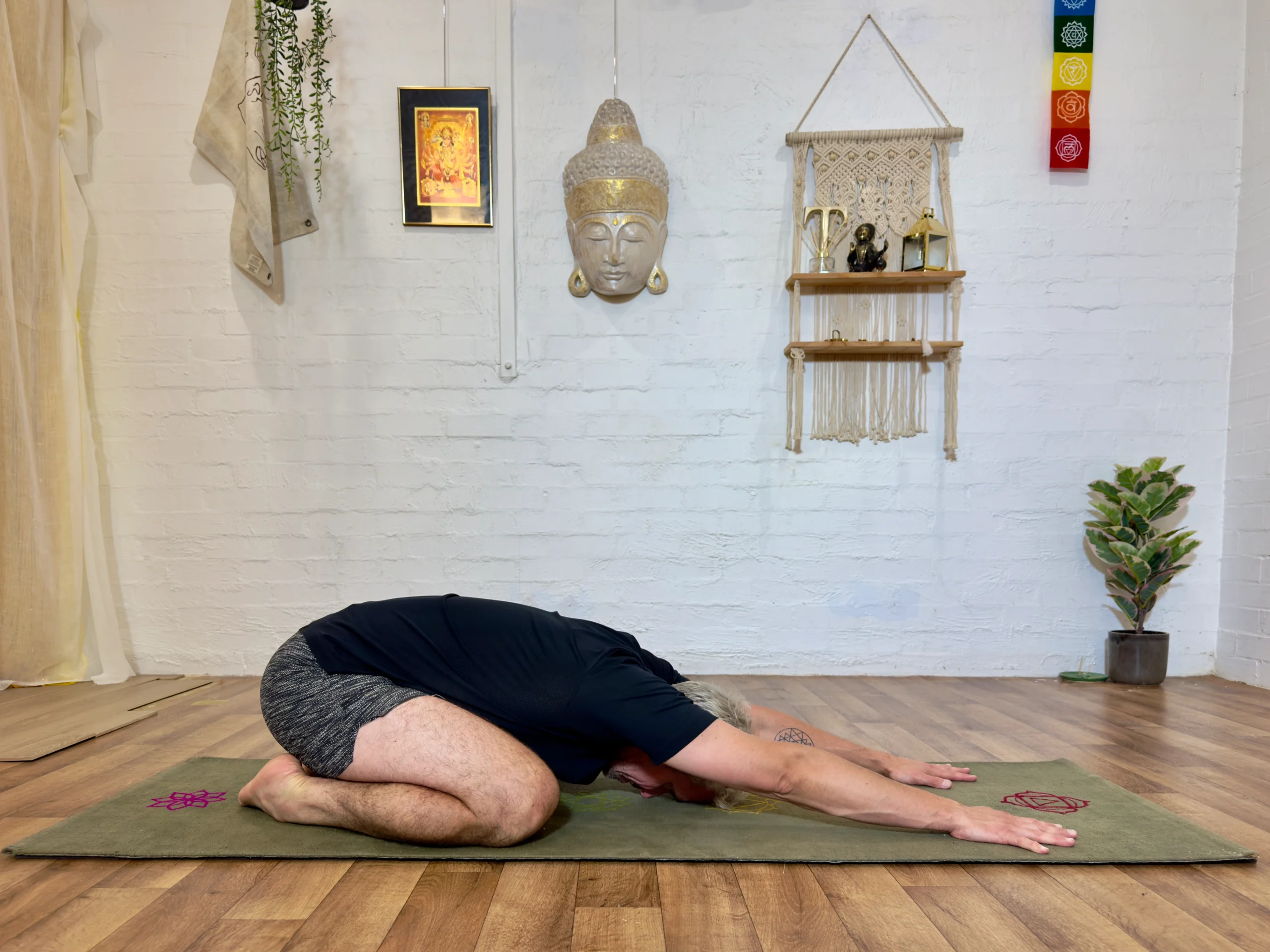
While style matters, certain poses consistently support regulation:
- Child’s Pose
- Supine Twist
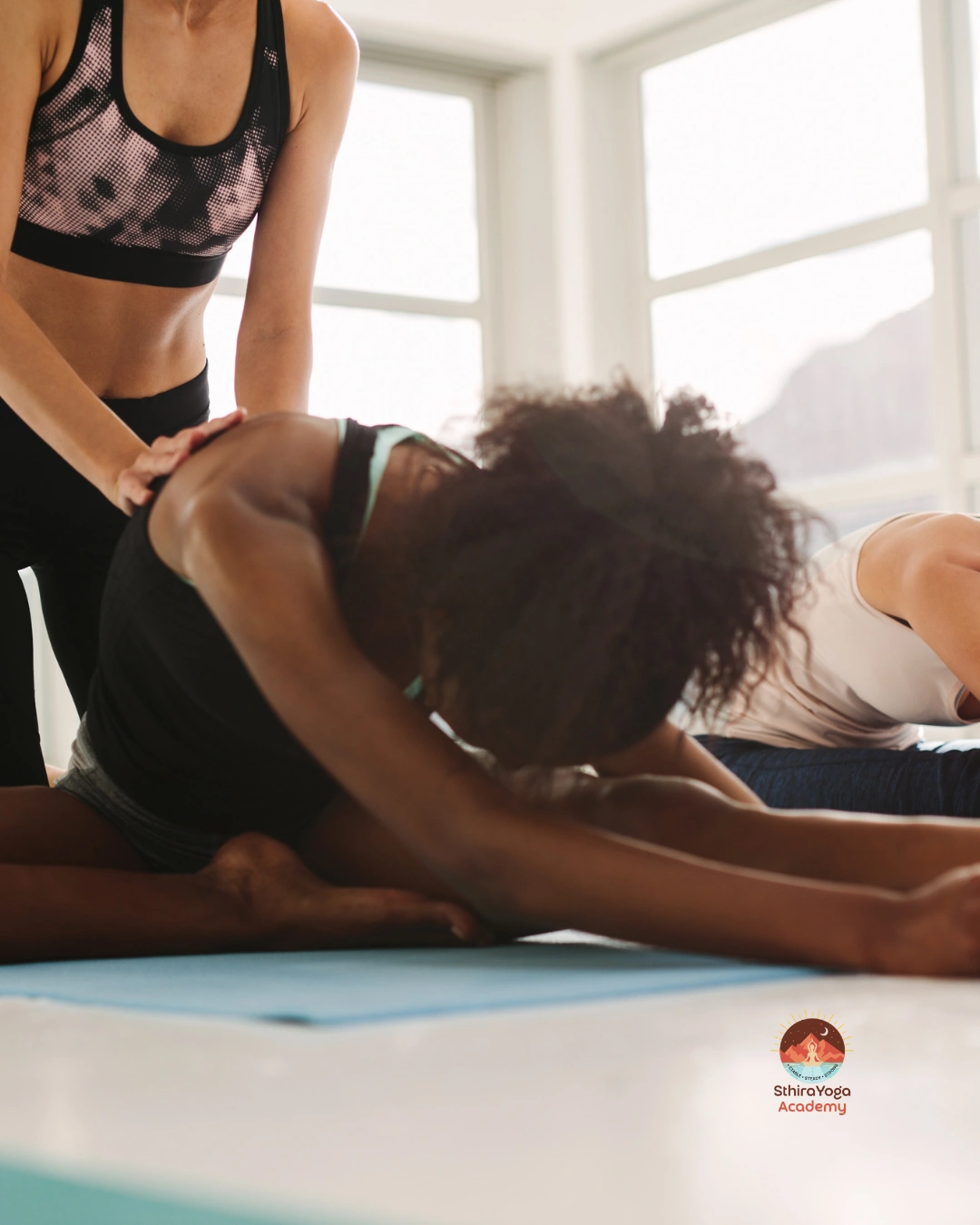
- Seated Forward Fold
- Legs Up the Wall
- Supported Bridge
- Savasana
These poses help recalibrate breath and reduce physical tension. They are simple. And they work.
Best Breathing Exercises for Stress
Breath changes physiology immediately.
Consider:
- Anulom Vilom (alternate nostril breathing)
- Bhramari Pranayama (humming breath)
- Deep belly breathing
Breath is the bridge between conscious and autonomic systems. This is why pranayama is central in yoga for stress management.
Yoga vs Other Stress Management Techniques
Exercise moves the body. Meditation trains the mind. Yoga integrates both.
It develops:
- Emotional steadiness
- Physiological regulation
- Cognitive clarity
- Embodied awareness
Yoga is not escapism. It is capacity building.
How to Start Yoga for Stress Relief
If you are new:
- Begin with 10–15 minutes
- Focus on breathing first
- Choose a style that matches your state
- Stay consistent
Perfection is irrelevant. Practice is everything.
Benefits of Practicing Yoga Daily
Consistent practice supports:
- Reduced anxiety
- Improved emotional regulation
- Better sleep
- Improved heart health
- Stronger immune function
- Greater clarity at work
Over time, your baseline changes. You become steadier.
Conclusion: Yoga Is Not Just Relaxation
Yoga for stress management is not about avoiding life. It is about building the internal stability to meet it. Sometimes that requires movement. Sometimes disruption. Sometimes stillness. The key is understanding what your system needs — and practicing consistently.
If you are ready to explore how yoga can support your stress regulation, view the current schedule here:
Classes | 200 Hour Yoga Teacher Training
Frequently Asked Questions (FAQs)
Yes. Research shows yoga reduces cortisol and activates the parasympathetic nervous system.
It depends on your current state. Flow moves energy. Gentle yoga calms. Breath-led practices reset patterns.
Even 10–15 minutes daily can create meaningful change.
Yoga combines movement and meditation, making it accessible for those who struggle with seated stillness.
Leave a Comment